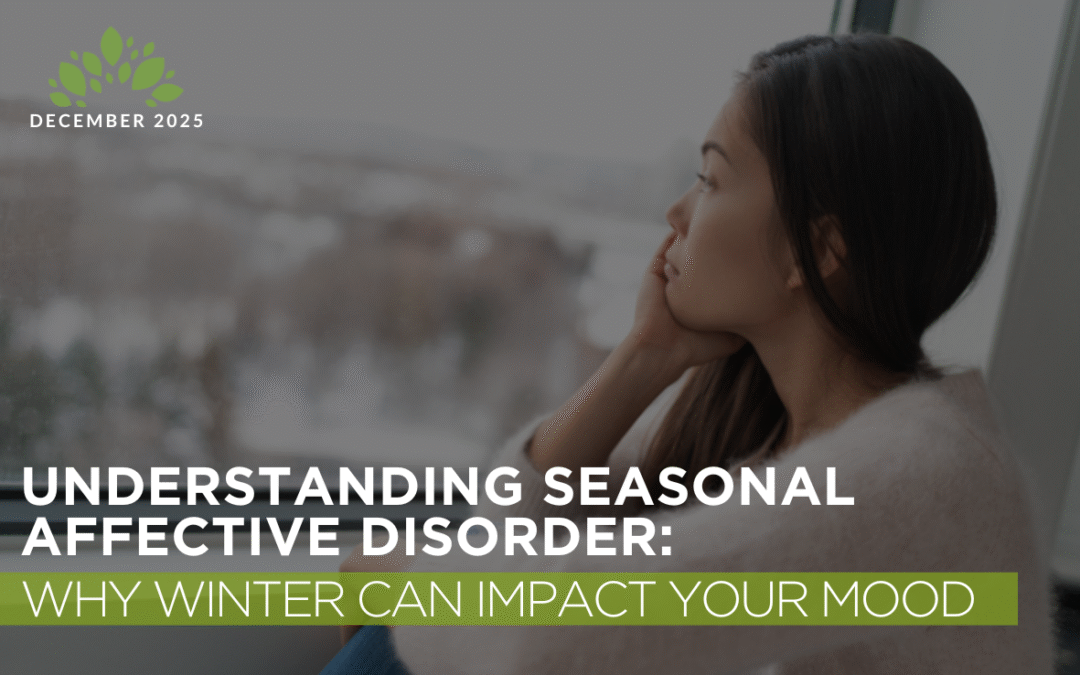
When the days grow shorter and sunlight becomes scarce, many people notice a change in how they feel. Energy levels drop, motivation fades, and even simple tasks can feel heavier than usual. While it’s normal to have slower days during the winter months, some people experience a deeper emotional shift known as Seasonal Affective Disorder (SAD).
This condition affects thousands of individuals each year and can make the colder seasons especially difficult to navigate. The good news is that with awareness, support, and the right care, it’s possible to manage these feelings and reclaim balance. At Aspire Counseling Services, our compassionate team helps clients throughout California understand how seasonal changes can influence mental health and how to find light, even in darker months.
What Is Seasonal Affective Disorder?
Seasonal Affective Disorder is a type of depression that typically occurs during certain times of the year, most often in late fall and winter. It’s more than the “winter blues.” SAD can disrupt sleep, mood, and daily routines, making it difficult to function or find motivation.
People living in areas with shorter daylight hours, like those in Bakersfield, Fresno, Santa Clarita, Simi Valley, San Luis Obispo, and Victorville, may notice stronger effects. The reduced sunlight can interfere with the body’s internal clock and the production of mood regulating hormones like serotonin and melatonin.
Unlike mild mood changes, SAD often feels persistent. It can affect concentration, energy, and relationships. Recognizing the signs early allows you to take steps toward relief before symptoms deepen.
Think about your own experience: when the seasons change, do you notice a difference in how you feel or think? Awareness is often the first step toward healing.
Why Does Winter Affect Mood?
Winter brings shorter days, colder weather, and less time outdoors. With limited exposure to sunlight, the brain produces less serotonin, a chemical that helps regulate mood and promotes feelings of calm. At the same time, the body increases melatonin production, which can cause fatigue and lower motivation.
This shift can affect both mental and behavioral health. Many people find themselves sleeping more, craving comfort foods, or withdrawing from social activities. These reactions may seem small at first but can build up over time.
Some people blame themselves for feeling down in winter, thinking they should “just shake it off.” In reality, these changes are connected to biology and the environment. It’s not a lack of willpower; it’s a natural response to seasonal change.
Have you ever wondered why you feel more tired or unmotivated as the days grow shorter? Recognizing that these patterns have a real cause can help you respond with compassion rather than frustration.
Common Signs and Symptoms
Not everyone experiences SAD in the same way, but many people share similar patterns. Understanding these symptoms can help you identify when your mental health might need extra care.
You might notice:
- Low energy or ongoing fatigue
- Sadness or irritability that lasts for weeks
- Trouble focusing or making decisions
- Changes in appetite or sleep habits
- Loss of interest in activities you normally enjoy
- Feelings of hopelessness or guilt
Some also experience physical symptoms, like body aches or sluggishness, which can make daily life even harder. If several of these signs sound familiar, it may be time to explore support options.
Ask yourself: when winter arrives, do you feel like a different version of yourself? Recognizing these changes can open the door to understanding what your mind and body need.
How to Cope and Stay Grounded
While Seasonal Affective Disorder can feel overwhelming, there are many ways to ease its effects and restore emotional balance. Making small adjustments to daily habits can improve mood and reduce stress.
Seek sunlight whenever possible. Spend time outside during daylight hours, even if it’s just a short walk. Opening blinds or sitting near windows can also help your body absorb natural light.
Move your body regularly. Gentle exercise, such as walking or yoga, can boost serotonin and energy levels. You don’t need an intense routine, because remember that consistency matters more than perfection.
Create a steady routine. Maintaining regular sleep and meal times helps your body regulate its internal clock, improving energy and focus.
Stay connected. Isolation can worsen symptoms. Reaching out to friends, family, or a support group can provide comfort and perspective.
Practice mindfulness and gratitude. Taking a few quiet moments each day to reflect on what brings you peace can strengthen emotional resilience.
At Aspire Counseling Services, clients learn practical coping skills through mindfulness training, behavioral therapy, and emotional regulation strategies. These tools help reduce the impact of SAD while supporting overall mental and behavioral health.
Think about this: what small action today could bring a bit more light into your life? Even a brief moment of self-care can start to shift your mindset.
When to Reach Out for Help
Everyone has low days, but if your mood stays low for weeks or interferes with work, school, or relationships, professional support can make a difference. Seasonal Affective Disorder responds well to treatment, and the earlier you reach out, the easier it is to manage symptoms.
Therapy can help you identify thought patterns that contribute to sadness and replace them with healthier perspectives. Some people also benefit from light therapy, medication, or a combination of approaches under professional guidance.
If you find yourself feeling hopeless or unable to function as usual, it’s important to talk to someone. You don’t have to wait until things feel unbearable. Reaching out is a sign of self awareness and courage.
Imagine how different winter might feel if you had the right tools to care for yourself emotionally. Taking that step toward support can help you rediscover stability and hope.
How Aspire Counseling Services Supports Mental Health During Winter
Aspire Counseling Services provides personalized care for individuals facing challenges like Seasonal Affective Disorder, depression, or anxiety. Our dedicated team helps adults, teens, and families strengthen their emotional health through evidence-based approaches.
Each of our locations across California—Bakersfield, Fresno, Santa Clarita, Simi Valley, San Luis Obispo, and Victorville—offers programs that include:
- Individual and group counseling
- Mindfulness practices
- Art and pet therapy
- Trauma conscious yoga
- Education and relapse prevention
- Aftercare planning for continued support
Our philosophy focuses on empowerment. We believe healing happens when individuals understand their emotions and learn how to manage them effectively. By addressing both emotional and behavioral health needs, Aspire’s programs help clients find lasting stability even when external circumstances, like the changing seasons, feel challenging.
Have you considered what your life could look like if you gave yourself permission to ask for help? Support is not just for times of crisis, it’s a way to build strength for every season ahead.
Finding Light in the Season Ahead
Winter can be difficult, but it doesn’t have to define your well-being. With the right awareness and care, you can navigate this time with more balance and self-compassion. Healing begins with understanding what your body and mind are trying to tell you and taking steps to meet those needs.
If you or someone you love is struggling with Seasonal Affective Disorder or other mental health concerns, Aspire Counseling Services is here to help. Our caring professionals provide guidance and support to help you find peace through every season of life. Our caring team is available day and night to answer your questions or help you take the next step toward emotional wellness. You can contact us in the way that feels most comfortable to you:
Call or Text: (888) 585-7373 — available 24/7 for immediate support
Email: info@aspirecounselingservice.com
You may also complete our secure contact form to request an appointment or learn more about our programs. Once submitted, a member of our team will respond promptly. By submitting your information, you agree to receive text messages at the number provided.