
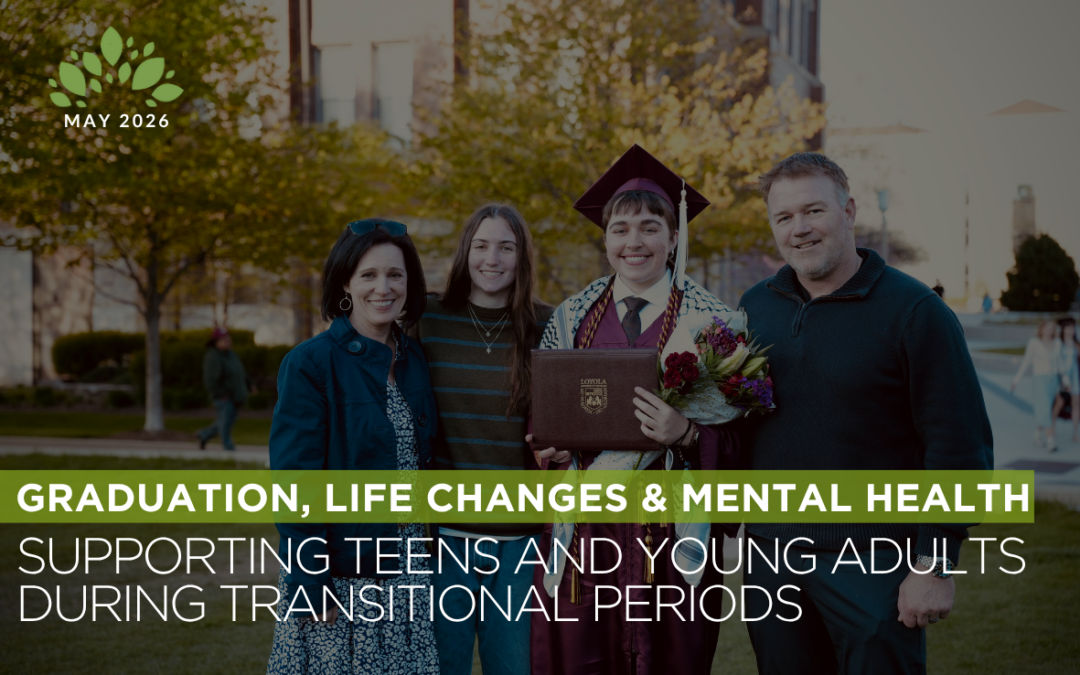
Graduation is an exciting milestone, but it also marks a time of big change. For teens and young adults, leaving school, moving to a new city, or starting college or a first job can bring a mix of excitement, stress, and uncertainty. These transitions often coincide with increased responsibilities, new social dynamics, and pressure to make important life decisions. For those managing mental health challenges or staying in recovery from substance use, these changes can feel overwhelming.
Understanding the emotional impact of life transitions and knowing how to respond with healthy coping strategies is essential. Aspire Counseling Services helps teens and young adults across California navigate these periods with support for both mental health and substance use recovery through programs like the Intensive Outpatient Program (IOP) and Partial Hospitalization Program (PHP).
Recognizing the Emotional Impact of Life Transitions
Life transitions, even positive ones, bring uncertainty. Graduates may feel anxious about leaving familiar routines, making new friends, or stepping into adult responsibilities. It’s common to experience a mix of excitement and fear, and these feelings can intensify if someone has a history of depression, anxiety, or substance use.
Self awareness is key. Teens and young adults can benefit from reflecting on how they respond to stress, identifying triggers, and noting patterns in mood or behavior. Recognizing these signs early allows for proactive steps before stress affects daily life, relationships, or recovery.
How Big Changes Can Affect Mental Health and Recovery
Transitions often increase stress, which can impact mental health and trigger cravings or old habits for those in recovery. Leaving home for college, for example, may mean less daily support and more exposure to social pressures. For others, entering the workforce or moving to a new city can create feelings of isolation or overwhelm.
Research shows that young adults are particularly vulnerable during transitional periods. According to the National Institute on Drug Abuse, early adulthood is a peak time for both mental health challenges and substance use. Recognizing the risks associated with life changes helps teens and young adults build strategies that protect mental health and support long term recovery.
Practical Strategies for Managing Stress During Transitional Periods
Building a toolbox of coping strategies is critical during life changes.
These strategies can include:
- Establishing a consistent daily routine to maintain structure and stability.
- Practicing mindfulness, meditation, or journaling to process emotions and stay grounded.
- Engaging in regular physical activity to reduce stress and improve mood.
- Staying connected with supportive friends, family, or peer groups who encourage healthy choices.
- Planning ahead for high risk situations, such as parties or social events, with clear strategies for maintaining sobriety.
Implementing these strategies gradually and consistently can help teens and young adults feel more in control and confident as they navigate transitional periods.
Supporting Teens and Young Adults Through Major Life Events
Families, caregivers, and mentors play a vital role during transitions. Offering guidance, emotional support, and open communication can help reduce stress and prevent risky behaviors. Listening without judgment and validating feelings encourages young people to share their experiences and seek help when needed.
Encouraging young adults to set realistic goals, prioritize self care, and lean on community or professional support systems strengthens resilience. Celebrating achievements, no matter how small, reinforces positive coping and encourages continued personal growth.
The Impact on Parents and Caregivers
Transitions don’t just affect teens and young adults, they also have a significant emotional impact on parents and caregivers. Watching a child step into adulthood can bring pride, excitement, and anticipation, but it can also trigger feelings of anxiety, sadness, or loss as routines and daily involvement change. Parents may worry about their teen’s safety, ability to handle responsibilities, or the potential for relapse in recovery.
Acknowledging these feelings is important, and seeking support through counseling, support groups, or conversations with trusted friends can help parents manage their emotions and remain a stable, supportive presence. Taking care of their own mental health allows parents to provide guidance and encouragement without becoming overwhelmed by fear or stress.
When to Seek Professional Guidance
While routine coping strategies are helpful, some transitions require professional support. Persistent anxiety, depression, or difficulty maintaining recovery may signal the need for structured care. Aspire Counseling Services offers programs specifically designed to guide teens and young adults through major life changes with individualized care plans, therapy, and group support.
If you or someone you know is experiencing stress or challenges during life transitions, help is available. Aspire Counseling Services is ready to provide guidance and support. You can request an appointment online, call or text (888) 585-7373 any time, or email info@aspirecounselingservice.com. Our team helps teens and young adults across California navigate changes while maintaining mental health and recovery.