
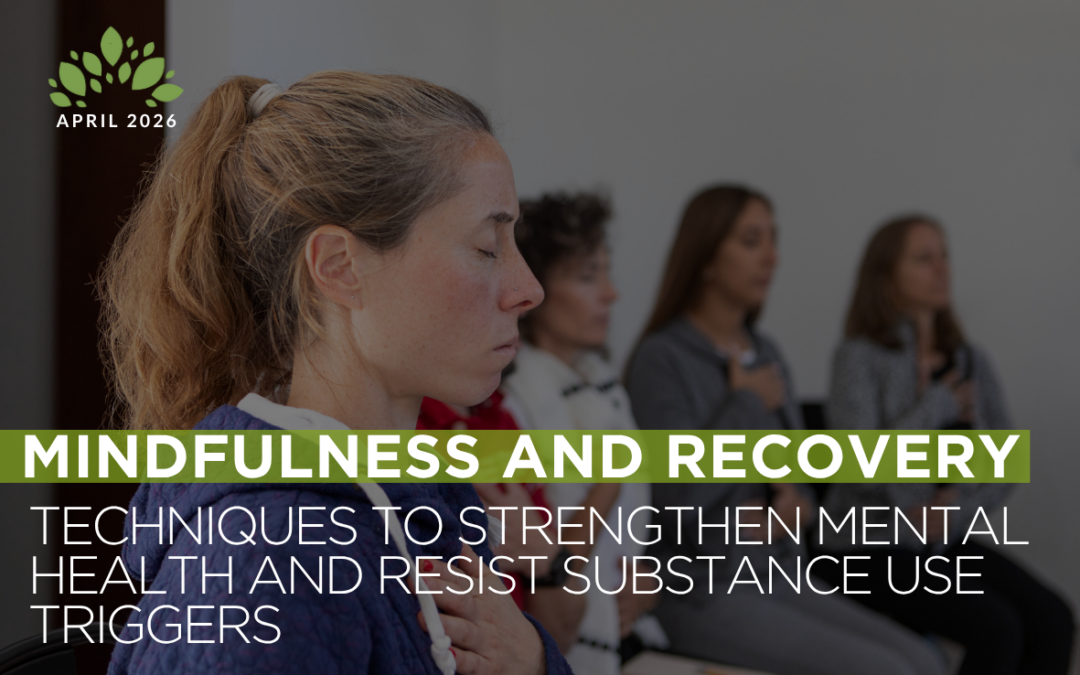
Gratitude is more than a positive mindset, it’s a proven tool that can support long term recovery, emotional regulation, and overall well being. For people managing anxiety, depression, or substance use disorders, learning to focus on moments of appreciation can shift how the brain processes stress and reward.
At Aspire Counseling Services, we often remind our clients that recovery isn’t only about avoiding harmful behaviors. It’s about rebuilding connection, purpose, and self awareness. Gratitude plays a powerful role in this process by helping people focus on growth, healing, and what’s going right, even when life feels difficult.
The Science Behind Gratitude and Mental Health
Research continues to show that gratitude has a measurable impact on emotional and physical well being. Studies published by the American Psychological Association (APA) and Harvard Health have found that regularly practicing gratitude can reduce symptoms of depression, improve sleep quality, and strengthen social bonds.
From a neurological standpoint, expressing gratitude activates regions of the brain linked to dopamine and serotonin which are the same “feel-good” chemicals often imbalanced in individuals struggling with anxiety or addiction. Over time, this can help retrain the brain to find satisfaction in positive experiences rather than turning to external substances or behaviors for relief.
Gratitude doesn’t erase pain or stress, but it helps people balance their perspective, creating space for both challenge and appreciation. This balance is vital for emotional regulation and resilience, especially in recovery.
How Gratitude Supports Addiction Recovery
Recovery from addiction involves more than detoxing the body, it’s about healing the mind and rebuilding emotional strength. Gratitude encourages a mindset of progress over perfection, helping individuals stay focused on what they’ve achieved instead of what’s gone wrong.
In treatment settings, gratitude is often woven into therapy sessions and group discussions because it helps shift attention from guilt or shame to acceptance and growth. For example, someone in recovery might feel thankful for the opportunity to rebuild trust with loved ones or for small victories such as completing a therapy milestone or attending a meeting.
This mindset not only supports sobriety but also reduces the likelihood of relapse. When individuals regularly acknowledge the positive aspects of their journey, they’re more likely to feel motivated and connected to their goals.
At Aspire Counseling Services, gratitude practices are often introduced through mindfulness and journaling activities within our Intensive Outpatient (IOP) and Partial Hospitalization Programs (PHP). These tools help clients reconnect with their values, recognize their strengths, and build hope for the future.
Practical Ways to Build a Gratitude Practice
Gratitude doesn’t require major life changes or hours of reflection. Small, consistent efforts can have a lasting impact.
Here are some simple ways to start:
- Keep a gratitude journal. Write down three things you’re grateful for each day, no matter how small. This helps train your mind to notice positive moments more often.
- Express appreciation out loud. Tell a friend, family member, or colleague that you’re thankful for something they’ve done. Speaking gratitude helps reinforce positive connections.
- Use mindfulness to slow down. Taking a few deep breaths before meals, during walks, or at bedtime gives you space to notice and appreciate what’s happening in the present moment.
- Reflect during challenges. When things feel difficult, ask yourself what lesson, strength, or opportunity might exist within the situation. This reframing can lower emotional reactivity and prevent impulsive behaviors.
Even small moments of gratitude like noticing the warmth of sunlight or the comfort of a routine can make a difference in how we experience stress and recovery.
Using Gratitude to Manage Anxiety and Daily Stress
Anxiety often thrives on “what ifs” and fears about the future. Gratitude redirects attention back to the present, helping calm racing thoughts and promote emotional stability. By regularly identifying what’s going right, even on hard days, people can reduce the intensity of their stress response.
Research from the National Institute of Mental Health (NIMH) shows that grounding practices such as mindfulness and gratitude help regulate the nervous system, lowering heart rate and improving concentration. This can make stressful situations easier to navigate without resorting to old habits or unhealthy coping mechanisms.
For individuals in recovery, practicing gratitude may also strengthen their ability to tolerate distress and manage triggers. Instead of focusing on cravings or regrets, they learn to acknowledge progress, remember personal reasons for change, and connect to a sense of purpose beyond addiction.
Creating a Gratitude Routine That Lasts
Like any new habit, gratitude takes time and consistency to become second nature. Start with short, achievable steps like a few minutes each morning or before bed and allow the practice to evolve naturally.
It can help to pair gratitude with existing routines. For example, reflect on three positive things while brushing your teeth, during a commute, or before joining a therapy session. Over time, gratitude can become an automatic part of how you process emotions and interact with the world.
Aspire Counseling Services encourages clients to use gratitude as a foundation for emotional resilience and recovery. Whether it’s part of group discussions, individual counseling, or mindfulness work, this practice reminds each person that healing is possible and that progress is worth celebrating, one moment at a time.
Finding Support for Lasting Wellness
Gratitude is one piece of a larger picture of mental health and recovery. When combined with evidence based therapy, support networks, and professional care, it can help people find balance, reduce anxiety, and lower the risk of relapse.
At Aspire Counseling Services, we help adults and teens across California develop healthy, sustainable habits that strengthen emotional wellness and recovery. Our team offers compassionate, individualized care through outpatient and partial hospitalization programs designed to meet people where they are in their journey.
If you or someone you love is struggling with anxiety, depression, or substance use, support is available. Reach out to Aspire Counseling Services to learn more or to schedule a confidential consultation.
Call or text (888) 585-7373
Email: info@aspirecounselingservice.com
Help is available 24/7. Your path to healing can start today.