
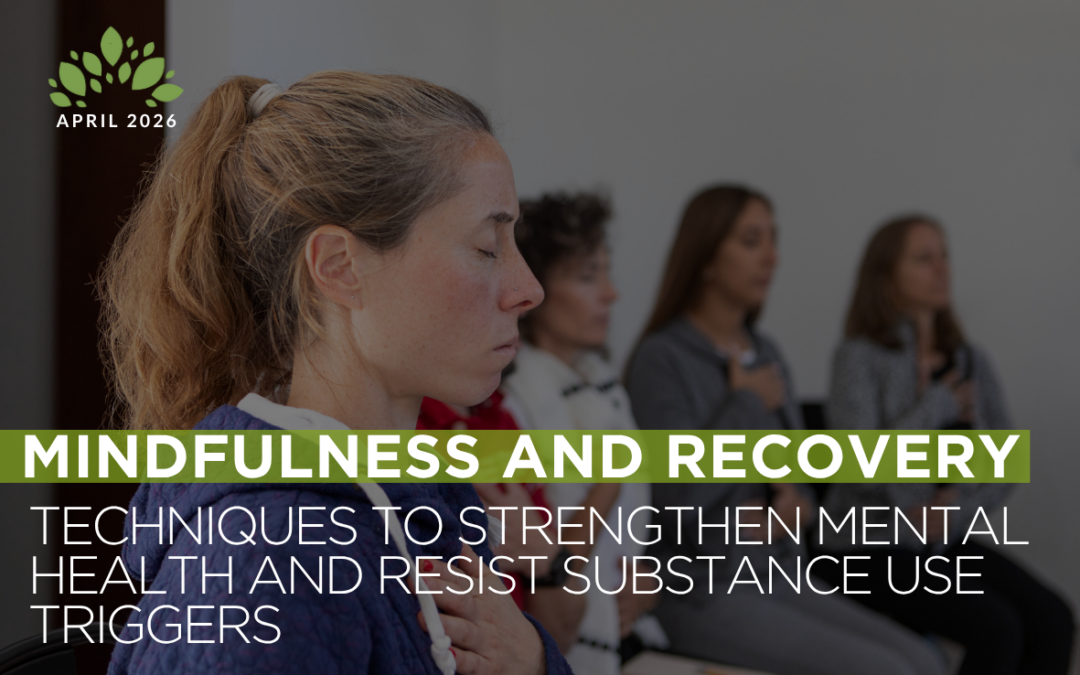
Recovery is a journey that requires attention to both the mind and the body. For many people navigating substance use challenges, stress, anxiety, and emotional triggers can make the path feel unpredictable and overwhelming. Mindfulness—the practice of paying attention to the present moment with curiosity and non-judgment can be a powerful tool in strengthening mental health and reducing the likelihood of relapse. By learning to notice thoughts, feelings, and physical sensations without reacting automatically, individuals in recovery can respond to triggers in a healthier, more intentional way.
At Aspire Counseling Services, we help teens and adults throughout California incorporate mindfulness into their daily lives. Through structured programs like our Intensive Outpatient Program (IOP) and Partial Hospitalization Program (PHP), clients learn practical strategies that support both emotional well-being and long-term recovery.
Understanding Mindfulness and Its Role in Recovery
Mindfulness isn’t about emptying your mind or trying to force yourself to feel calm. It’s about paying attention to what’s happening right now. Focusing on your thoughts, emotions, and sensations without judging them as good or bad. For someone in recovery, this means noticing cravings, stress responses, or emotional discomfort before they become overwhelming.
Research shows that mindfulness can improve emotional regulation, reduce anxiety and depression, and decrease the risk of substance use relapse. Learning to observe urges or negative emotions without immediately reacting helps individuals make choices aligned with their recovery goals rather than impulsive behaviors.
Common Triggers and How Mindfulness Helps
Triggers vary from person to person, but they often include stress, social situations, negative emotions, or even certain locations. For teens, triggers might be peer pressure, academic stress, or social media comparisons. Adults may experience triggers related to work, family responsibilities, or unresolved emotional issues.
Mindfulness provides a way to step back from these triggers rather than responding automatically. By bringing awareness to cravings or uncomfortable emotions, individuals can choose healthier coping strategies. Practices that can be helpful are deep breathing, journaling, or reaching out to a supportive friend or therapist.
Practical Mindfulness Techniques for Daily Life
Mindfulness can be integrated into everyday activities, not just during meditation.
Some effective techniques include:
- Breathing exercises: Focusing on the inhale and exhale helps ground attention and reduce stress.
- Body scans: Slowly noticing sensations from head to toe increases awareness of tension and stress in the body.
- Mindful walking or movement: Paying attention to each step, movement, and the surrounding environment can be calming and centering.
- Journaling thoughts and feelings: Writing without judgment helps recognize patterns and triggers, offering insight into emotional responses.
Even a few minutes a day can make a difference. Over time, mindfulness becomes a tool to navigate daily stressors without turning to substances as a coping mechanism.
Mindfulness for Teens and Young Adults
Adolescence and young adulthood can be challenging stages of life, with intense emotions, peer pressures, and transitions. Mindfulness can help young people identify when they are stressed, anxious, or tempted to use substances, and respond with healthy choices.
Simple practices like guided meditations, mindful breathing breaks during homework, or grounding exercises before social events can help teens build resilience and self-awareness. Teaching mindfulness early gives young adults a foundation for long term emotional regulation and recovery.
Building a Supportive Routine Around Mindfulness
Consistency is key to reaping the benefits of mindfulness. Integrating mindfulness into daily routines such as starting the day with a few minutes of breathing, taking mindful pauses before meals, or journaling at night. These routines help it become a habit rather than an occasional activity.
Combining mindfulness with therapy, support groups, and structured recovery programs provides a comprehensive approach. At Aspire Counseling Services, our programs include mindfulness exercises alongside counseling and coping strategies, allowing clients to develop a balanced, healthy routine that strengthens both mental health and recovery outcomes.
When to Seek Professional Guidance
Mindfulness is a helpful tool, but it is not a substitute for professional support when needed. Persistent anxiety, depression, or strong substance cravings require guidance from trained clinicians. Programs like Aspire’s IOP and PHP offer structured environments where mindfulness, therapy, and individualized care come together to support lasting recovery.
Navigating recovery for yourself or a loved one can be overwhelming, even if practicing mindfulness. Know that help is available. Reach out to Aspire Counseling Services anytime at (888) 585-7373, send a message to info@aspirecounselingservice.com, or fill out the contact form on our website. Our team is here to guide teens and adults through the challenges of recovery with compassionate, personalized support.