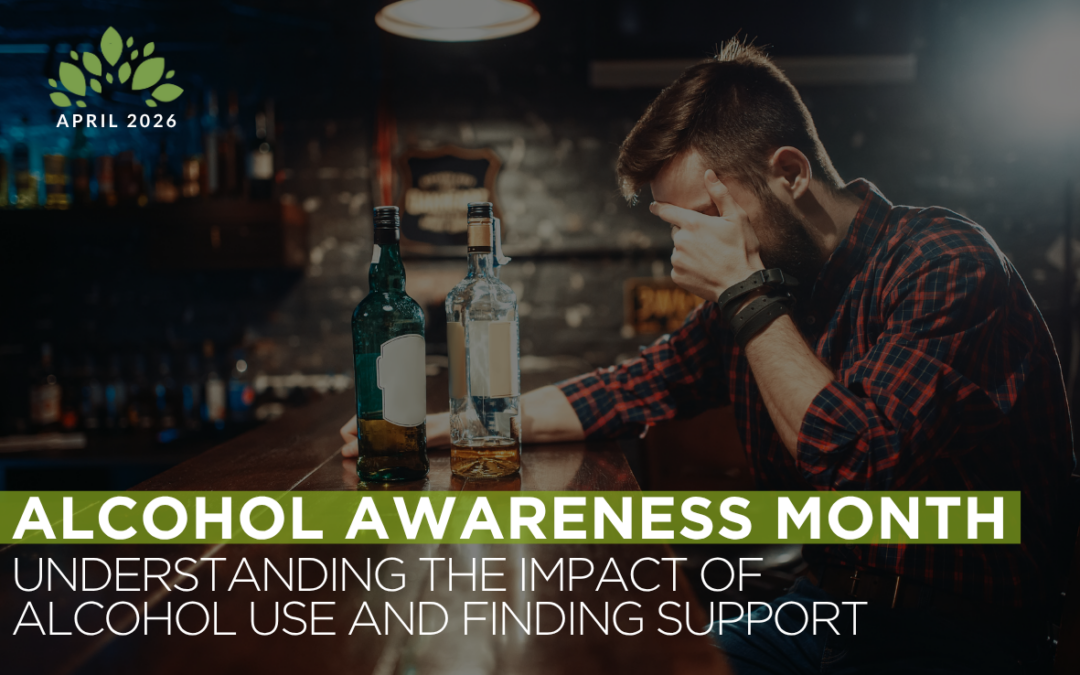
April is Alcohol Awareness Month, a time to pause and think about how alcohol impacts our lives and the lives of those around us. For many, drinking is a regular part of social events, celebrations, or stress relief, and it can be easy to overlook the ways it affects our mood, health, and relationships.
Taking a moment to notice how alcohol fits into your life and how it influences your decisions, emotions, and connections can be the first step toward protecting your well being and the people you care about.
The Scope of Alcohol Use and Its Effects
Alcohol use remains common in the United States. According to the Centers for Disease Control and Prevention (CDC), nearly 140 million adults report drinking alcohol in the past month and more than 14 million adults meet criteria for alcohol use disorder. Excessive alcohol use is linked to serious health risks, including liver disease, heart problems, and increased vulnerability to accidents or injuries.
For teens and young adults, alcohol can be even more harmful. The National Institute on Alcohol Abuse and Alcoholism (NIAAA) reports that early alcohol use increases the risk of developing alcohol dependence later in life. It can also interfere with brain development, emotional regulation, and academic performance. Recognizing these risks and understanding the early signs of problem drinking can help families intervene before challenges escalate.
Recognizing When Alcohol Use Becomes Concerning
Alcohol use affects each person differently, and the line between casual drinking and risky behavior can sometimes feel unclear.
Some warning signs may include:
- Drinking more than intended or more often than planned
- Neglecting responsibilities at work, school, or home
- Experiencing mood changes such as irritability, anxiety, or depression
- Difficulty cutting back or stopping despite wanting to
- Experiencing physical symptoms like blackouts, nausea, or disrupted sleep
For teens and young adults, subtle changes such as declining grades, withdrawal from family or friends, or secretive behavior may indicate alcohol use is affecting their life. Families may not always see these changes immediately, which is why education and open communication are critical.
How Alcohol Use Affects Mental Health
Alcohol is often used as a way to cope with stress, anxiety, or sadness. While it may provide temporary relief, alcohol can worsen mental health over time. Research shows that people with depression or anxiety who use alcohol heavily are more likely to experience intensified symptoms, creating a cycle that can be difficult to break.
Understanding the connection between alcohol and mental health is important for both prevention and recovery. Treatment approaches that address mental health and alcohol use together tend to be more effective, helping individuals develop healthier coping strategies and long-term resilience.
Support and Treatment Options
Alcohol Awareness Month is a reminder that help is available. Support can take many forms, from educational programs and therapy to structured care like Intensive Outpatient Programs (IOP) or Partial Hospitalization Programs (PHP). These programs provide individualized treatment that addresses both mental health and substance use, giving participants tools to manage cravings, identify triggers, and develop healthier routines.
Family involvement can also be an important part of recovery. Learning how to communicate effectively, set boundaries, and provide support without enabling unhealthy behavior can strengthen recovery outcomes for both teens and adults.
Taking the First Step Toward Recovery
Recovery and healthier choices are possible at any stage, and you do not have to face alcohol use or mental health struggles alone. If you or a loved one is concerned about alcohol use or co-occurring mental health challenges, Aspire Counseling Services is here to help.
Teens and adults across California can access individualized care through programs such as Intensive Outpatient Programs (IOP) and Partial Hospitalization Programs (PHP).
You can reach out at any time by calling or texting 888-585-7373, emailing info@aspirecounselingservice.com, or submitting a request through the online contact form.
Taking that first step to connect with support can open the door to recovery, healthier routines, and a more balanced life.