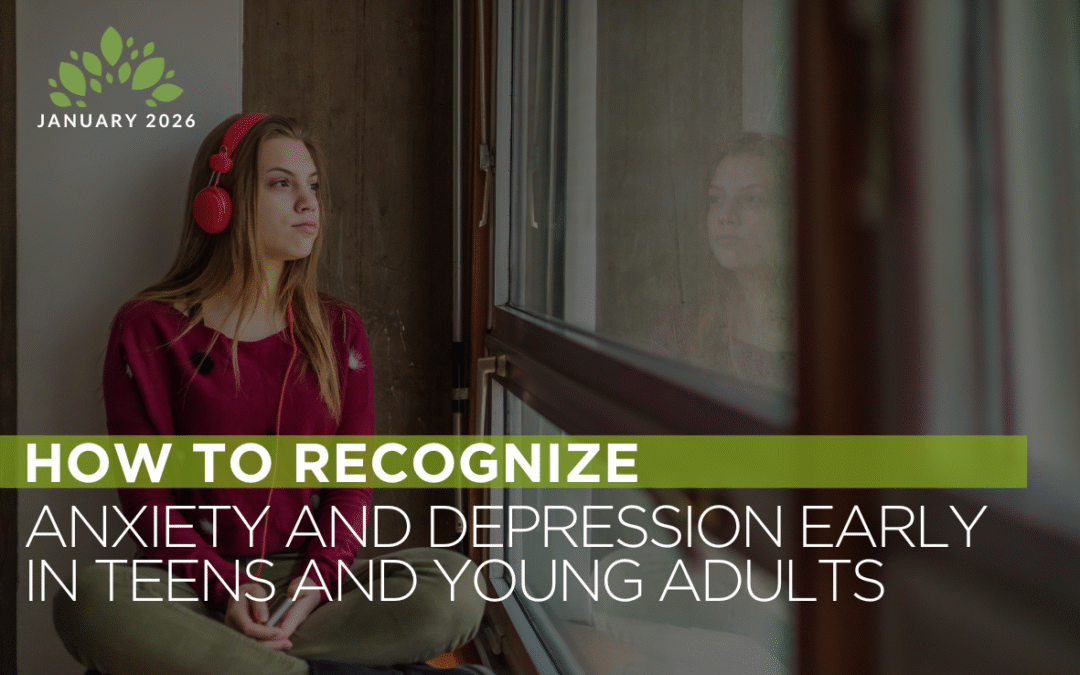
The teenage years and young adulthood are often painted as times of freedom, exploration and possibility. Yet beneath the surface many individuals navigating life from adolescence into adulthood grapple with anxiety, depression or both.
These mental health conditions may not always announce themselves loudly. Sometimes they creep in subtly as restlessness, changes in sleep or mood, or loss of interest in things that once felt meaningful. Recognizing these signs early can change the direction of someone’s life and give both teens and young adults the chance to engage in recovery, treatment and support before challenges deepen.
At Aspire Counseling Services, we support both adolescents (age 12+) and young adults across California through individualized behavioral health and substance use care. The following guide helps you understand what to look for, how to respond and when to lean in for professional help.
Understanding the Scope of the Issue
It helps strength and clarity to know that you are far from alone. Recent national data reveals that approximately one in five adolescents (ages 12‑17) reported symptoms of anxiety in the past two weeks, and around 17 % reported symptoms of depression during the same period. Among U.S. young adults (ages 18‑25) the rates are even higher: about 36 % reported anxiety and 29 % depression in one survey from late 2022.
These statistics matter because they reflect real people, friends and classmates, or siblings and colleagues who might be struggling quietly. For teens juggling school, social media, identity and peer pressure, the emotional strain is real. For young adults navigating higher education, early careers, relationship shifts and financial pressures, the emotional terrain is equally complex.
Anxiety or depression in these years can influence trajectories of behavior, sense of purpose, relationships, school or work performance, and even substance use patterns. Recognizing the issue doesn’t mean labeling or diagnosing but it means noticing when things don’t feel like “just a rough patch” anymore.
Common Signs of Anxiety in Teens and Young Adults
Anxiety often shows up in ways that differ from generation to generation, and it may not always look like panic attacks or overt fear. For teens it might appear as constant worry about grades, social relationships, or what’s next after high school. For young adults, it might show up as persistent restlessness, difficulty focusing at work, irritability, or feeling like time is slipping away.
Some signs to watch include:
- Frequent and excessive worry about everyday situations that seems out of proportion to the problem.
- Avoidance of social events, school or work obligations because of overwhelming nervousness.
- Physical symptoms such as racing heartbeat, tremors, sweating, muscle tension or upset stomach.
- Changes in sleep patterns such as difficulty falling asleep, waking up at night, or feeling un‑rested in the morning.
- A sense of being “on edge” nearly all of the time, often mentally exhausted but unable to switch off.
While occasional anxiety is a normal part of life, persistent symptoms that impact daily functioning should be taken seriously. For teens especially, anxiety that interferes with school attendance, participation in classes or social interactions is a signal it may be time to act.
Common Signs of Depression in Teens and Young Adults
Depression can look different for each person and may be masked by irritability, moodiness or just “feeling off.” For teens, depression may show up as drop in grades, withdrawal from friends or formerly enjoyable activities, disrupted sleep or appetite, or persistent complaints of fatigue.
For young adults it might appear as loss of interest in work or hobbies, a sense of purposelessness, or increased substance use to numb or escape. Some of the warning signs include:
- Persistent sadness, emptiness or hopelessness lasting more than two weeks.
- Changes in appetite or weight (gain or loss) unrelated to intentional dieting.
- Insomnia or sleeping much more than usual, feeling tired despite rest.
- Difficulty concentrating, making decisions or remembering details.
- Thoughts of self‑harm or suicide, or expressing that life is not worth living.
According to the Centers for Disease Control and Prevention (CDC), two in five high school students reported feeling persistently sad or hopeless during the last year. While occasional sadness is expected, depression is distinguished when symptoms are intense, persistent, and interfere with school, social or work commitments.
When Anxiety or Depression Interact with Substance Use
It’s important to know that anxiety and depression often do not occur alone. Many teens or young adults turn to alcohol, vaping, prescription medications or other substances to manage or escape emotional pain. In turn, substance use can worsen mental health, fuel a cycle of guilt, shame and isolation, and make symptoms harder to treat.
According to federal research, individuals with co‑occurring mental health and substance use disorders face higher relapse risk if only one condition is addressed. Look for these combined signs:
- Using substances to dampen worry, dread or the sense of being overwhelmed.
- Mood swings that correlate with substance use or hangovers.
- Withdrawal from important commitments (school, work, family) after substance use happens.
- Increase in risky behaviors, impulsivity or self‑medication patterns.
In treatment settings such as the Intensive Outpatient Program (IOP) or Partial Hospitalization Program (PHP) at Aspire Counseling Services, both mental health and substance use issues are addressed together, giving young people and teens the comprehensive support they need.
What You Can Do: Early‑Stage Responses and Conversations
Taking action early improves outcomes. Here are practical steps for parents, caregivers, or young people themselves:
For teens and young adults:
- Begin with self‑check questions such as: “How have I been feeling over the past month compared with normal?” “Am I doing the things I used to enjoy?” “Are substances part of my coping plan?”
- Build one small habit today: journaling for five minutes, scheduling consistent sleep, or attending therapy or group sessions.
- Share experiences with a trusted adult: a counselor, mentor, coach or family member. Opening up builds connection and reduces stigma.
- Limit screen time and social media‑heavy use which has been associated with higher rates of anxiety and depression among teens.
- Keep substance use and mental health conversations honest and open — using substances to cope is common, but it’s also a warning sign.
For caregivers, parents and mentors:
- Notice changes in mood, behavior, friends, academic or work performance. A shift doesn’t automatically mean a mental health condition, but it can mean access to support is needed.
- Create a safe space for conversation by asking open‑ended questions, avoiding judgment, and listening. The simple act of asking “How have you been feeling lately?” matters.
- Encourage professional support early like therapy, counseling, group programs, and dual‑diagnosis treatment settings help when both mental health and substance use are involved.
- Model healthy coping yourself. Youth often learn from how adults around them handle stress, disappointment or uncertainty.
When to Reach Out for Professional Support
If symptoms are interfering with daily life, it’s time to act. Key triggers for professional help include:
- Anxiety or depression lasting several weeks or more, disrupting school, work or relationships.
- Thoughts of self‑harm or suicide, or saying things like “I don’t want to be here anymore.”
- Substance use that is increasing, becoming secretive, or used to manage mood or escape feelings.
- Sudden decline in performance, major withdrawal from social life, or significant weight or sleep changes.
At Aspire Counseling Services, we offer both IOP and PHP programs designed to meet the unique needs of teens and young adults. These programs allow individuals to remain engaged in school or daily life while receiving structured care, group therapy, family involvement and individualized treatment plans. Recovery and wellness don’t have to wait.
A small early step now can prevent more serious issues later and can open a path toward thriving rather than just getting by.