.cde15bd7.png&w=3840&q=75&dpl=dpl_4tAeEssdWgkn3xypkVMx1nPCaC17)
Aspire Counseling Services
Recent Trends in Teen Vaping and Alcohol Use
Learn the latest teen vaping, alcohol, and substance use trends in California, risks for adolescents, and how parents can provide effective support.
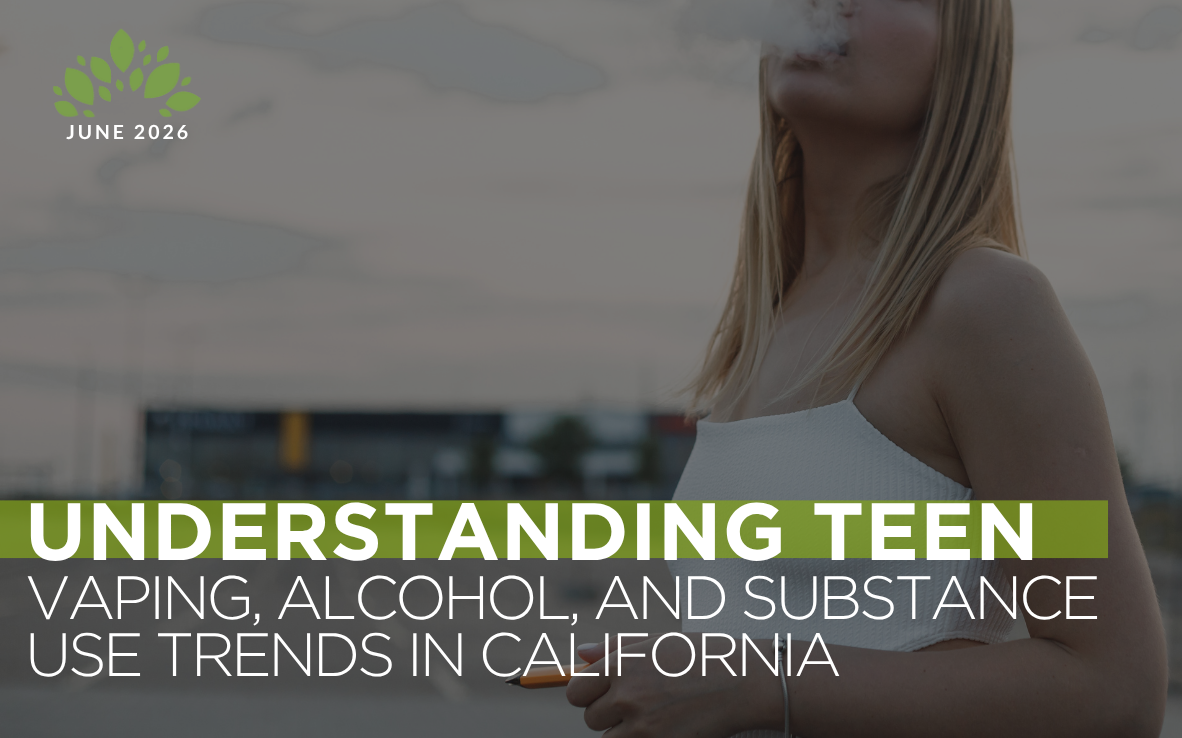
Watching a teen struggle with substance use or noticing them vape can bring a lot of questions and worry. You might wonder how common these behaviors are in California, what risks they carry, and how to talk about them without sounding like you’re lecturing. Understanding current trends helps you ask the right questions, spot patterns early, and support teens (and young adults) with warmth, insight, and clarity. At Aspire Counseling Services we support adolescents and their families across California in understanding not only what’s happening but how to respond in a healthy, connection-based way.
Teen substance use is a moving target. On one hand, we’re seeing encouraging declines in some types of use; on the other, new forms of nicotine and substances are emerging. According to national data from the Substance Abuse and Mental Health Services Administration (SAMHSA) for 2024, about 6.0 % of adolescents aged 12-17 reported vaping nicotine in the past month. Alcohol use in the same age group showed little change with 6.6 % of adolescents reporting alcohol use in the past month. In California, data points highlight the shift: for example, a factsheet from the California Healthy Kids Survey and related reports shows that teen alcohol use among 11th graders dropped from 29 % to 14 % over a several-year span, and vaping among 9th and 11th graders has also trended downward. While these numbers sound hopeful, the story isn’t entirely simple. New product types (like flavored disposables or nicotine pouches), and the overlap of vaping, alcohol and other substances in teen social contexts, mean risks remain high.
What the California Data Shows
Focusing on California, a report on substance use patterns reveals that for individuals aged 12–17, the initiation of alcohol use was about 9.5 % and marijuana about 5.9 % in a given year. More broadly in California, past-month alcohol use among adults (18–25) was reported at around 47.2 %, and among ages 12+ about 48.1 %. These figures tell us several things: first, many teens are still not using substances; second, early use remains a concern because initiation increases risk; and third, adult drinking patterns are still substantial, which may influence teen perceptions and environments. For teens and young adults in California, the presence of high adult use, peer vaping, and the rise of discreet nicotine products create an environment where substance use may feel normalized. That makes understanding and communication all the more important.
Why Vaping, Alcohol and Other Substances Are Risky for Teens
Adolescence and young adulthood are periods of rapid brain development, emotional vulnerability, and identity formation. Introducing nicotine, alcohol or other substances during this time can disrupt learning, memory, mood regulation and impulse control. For example, research from a Northern California study found high levels of vaping among adolescents in treatment—around 50 % current vaping of nicotine or cannabis—and an association with alcohol use disorder. Vaping presents unique risks: nicotine addiction can form quickly; flavored and discreet devices make use easier; and many teens perceive vapes as less harmful, even when they contain significant chemicals or are used with other substances. Alcohol continues to be the most commonly used substance among teens, and when combined with other substances or mental health challenges it can increase risk for substance use disorders, drop in academic performance, emotional struggles and social problems.
How Parents and Caregivers Can Respond Effectively
When you worry about a teen vaping or drinking, the way you approach them matters. Responding with understanding and openness tends to work better than accusation or shame. Some helpful steps include:
- Stay informed about what products teens are using (vapes, nicotine pouches, flavored alcohol, etc.).
- Create safe, ongoing conversations rather than one-time “talks.” Ask open questions such as “What have you noticed about vaping among your friends?” or “How do you feel when you drink or vape?”
- Monitor changes in mood, behavior, sleep and social connection—they often signal a shift in substance use before it becomes serious.
- Set clear expectations and boundaries around substances while also reinforcing their strengths and good decisions.
- Encourage alternatives to substances: stress management, hobbies, peer support, and connection.
Because adult behavior affects teen behavior, you as a parent or caregiver also model habits and attitudes around substances. Being consistent, calm and supportive helps the teen feel safe bringing up questions or concerns.