.cde15bd7.png&w=3840&q=75&dpl=dpl_62MSc674BKnvR3Naym9hj1tS1yKr)
Aspire Counseling Services
Suicide Prevention Awareness: Recognizing the Signs and Accessing Mental Health Services
Learn the warning signs of suicide, key risk factors, and how to access mental health services and crisis support in California.
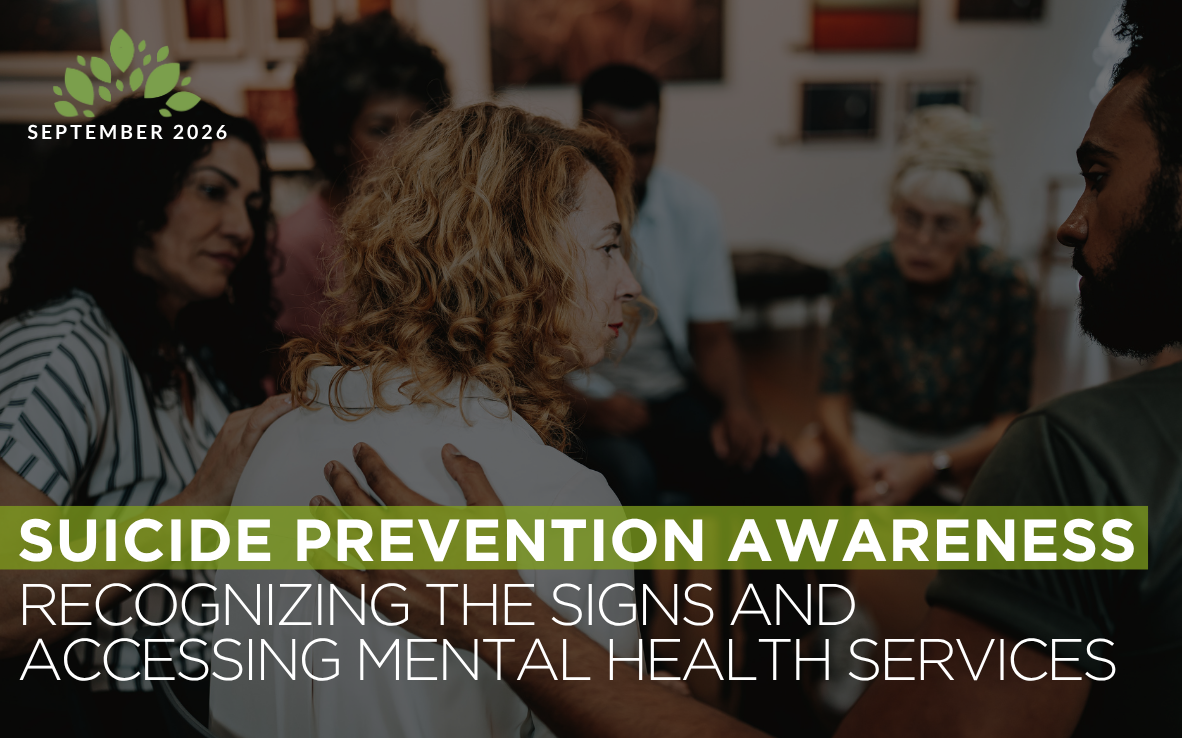
When someone is in emotional pain or facing intense behavioral health challenges, it can feel like the world is closing in. It’s hard to talk about, but the truth is that suicide is a real risk for many people. Knowing the signs and understanding that help is available can make a life‑saving difference. At Aspire Counseling Services, we believe in creating spaces where conversations about mental health and recovery can happen safely and with dignity. This blog is especially for you if you’re worried about yourself, a teen, or a loved one who is dealing with substance use, anxiety, depression, or any form of behavioral health struggle. Our goal is to help you feel less alone, better informed, and more empowered to reach out for support.
Why Suicide Prevention Matters
Suicide is one of the most serious outcomes tied to untreated or under treated mental health and behavioral health challenges. According to the Centers for Disease Control and Prevention (CDC), over 49,000 people died by suicide in the United States in 2023. What this means is that for every life lost, there are many others who had suicidal thoughts or attempts. The same CDC reports that more than 12.8 million adults seriously thought about suicide, 3.7 million made a plan, and 1.5 million attempted it in 2023. When you look at these numbers, it becomes clear: suicide prevention matters not only for those in crisis but for families, communities, and service systems that support them. If you’ve ever asked yourself, “Could I ever see this coming?” or “What can I do?”, you’re not alone and you’re not powerless.
Who Is at Risk and What the Data Shows
The risk of suicide spans across ages, genders, and circumstances. Understanding risk helps us act with awareness and care.
- Suicide was among the top eight leading causes of death for people ages 10‑64 in 2023. Source
- In 2023, the suicide rate among males was nearly four times higher than among females. Source
- For youth in high school, the 2023 Youth Risk Behavior Survey found that 20.4 % of students seriously considered attempting suicide and 9.5 % actually attempted it within the past year.Source
- Certain groups face higher rates of risk: non‑Hispanic American Indian/Alaska Native people, non‑Hispanic White people, those living in rural areas, and people working in certain industries.Source
For a parent, loved one, or someone who has experienced substance use or is managing mental health conditions, these statistics matter. They remind us that risk is real, but prevention is also possible.
Recognizing Warning Signs
Early recognition of warning signs can create a pathway to intervention and support. These signs are not absolute, but they can alert you that someone needs help. Possible indicators include:
- Talking about feeling hopeless, trapped, or like a burden to others
- Showing drastic mood changes or increased agitation
- Withdrawing from friends, family, or usual activities
- Increased use of substances (alcohol, drugs) or return to behaviors tied to substance use
- Giving away possessions or saying goodbye in unusual ways
- Making preparations for death (for instance, writing a will or researching ways to die)
If you notice any of these changes in yourself or someone you care about, it’s important to take them seriously. Asking a gentle question like, “I’ve noticed you’ve been quieter than usual. Do you want to talk about what’s on your mind?” can open the door to connection. Remember, you do not have to be a mental health professional to offer help. Showing that you care, listening without judgment, and staying present can make a difference.
Protective Factors and How to Foster Them
Prevention is built not only on recognizing risk but on nurturing what protects us. Protective factors are qualities and conditions that lessen the likelihood of suicide or reduce its impact. Some of these include:
- Prevention is built not only on recognizing risk but on nurturing what protects us. Protective factors are qualities and conditions that lessen the likelihood of suicide or reduce its impact.
- Some of these include:
For example, someone managing a substance use disorder who is actively connected to treatment and peer support is more likely to have protective factors in place. If you’re supporting a loved one, you might help them stay engaged with counseling, check in on how they are feeling, or encourage them to keep up with positive routines.
How and Where to Access Mental Health Services
If you or someone you care about is experiencing suicidal thoughts or is in crisis, immediate help is available.
- Call or text 988, the 988 Suicide & Crisis Lifeline in the U.S., which is available 24/7. You will reach trained professionals who listen and help you find support.
- If you’re outside the U.S., check local resources or emergency numbers in your area.
- Contact a mental health provider or behavioral health agency—don’t wait.
- If you suspect someone may act on suicidal thoughts, don’t leave them alone. Remove access to means of harm (e.g., firearms, medications) if you can safely do so, and seek professional help immediately.
For residents in Bakersfield, Fresno, Santa Clarita, Simi Valley, San Luis Obispo, or Victorville, California, accessing care locally through outpatient programs, counseling centers, or hospital‑based services is possible. You do not have to travel far to get help. You might ask yourself or your loved one: If I had someone to talk to right now who would just listen, what would be helpful? Sometimes the hardest part is reaching out.
How Aspire Counseling Services Supports You
At Aspire Counseling Services we are committed to offering compassionate, evidence‑informed support for those facing mental health, behavioral health, and substance use concerns. Whether you are an adult, a parent, a teen, or a loved one, our goal is to help you build a stronger foundation of care. Our services include:
- Individual and group counseling
- Multi‑family sessions to strengthen family systems and connections
- Relapse prevention and education for substance use recovery
- Mindfulness, emotional regulation, and coping skills training
- Aftercare planning to maintain stability beyond treatment
We operate across several locations—Bakersfield, Fresno, Santa Clarita, Simi Valley, San Luis Obispo, and Victorville—making care accessible to many communities in California. We believe your story matters. Whether you are experiencing suicidal thoughts, supporting someone who is, or simply seeking peace of mind, we are here to walk alongside you.