.cde15bd7.png&w=3840&q=75&dpl=dpl_62MSc674BKnvR3Naym9hj1tS1yKr)
Aspire Counseling Services
Why Back to School Can Trigger Stress
Learn how parents can help teens manage back-to-school stress, recognize anxiety and relapse warning signs, and support healthy recovery.
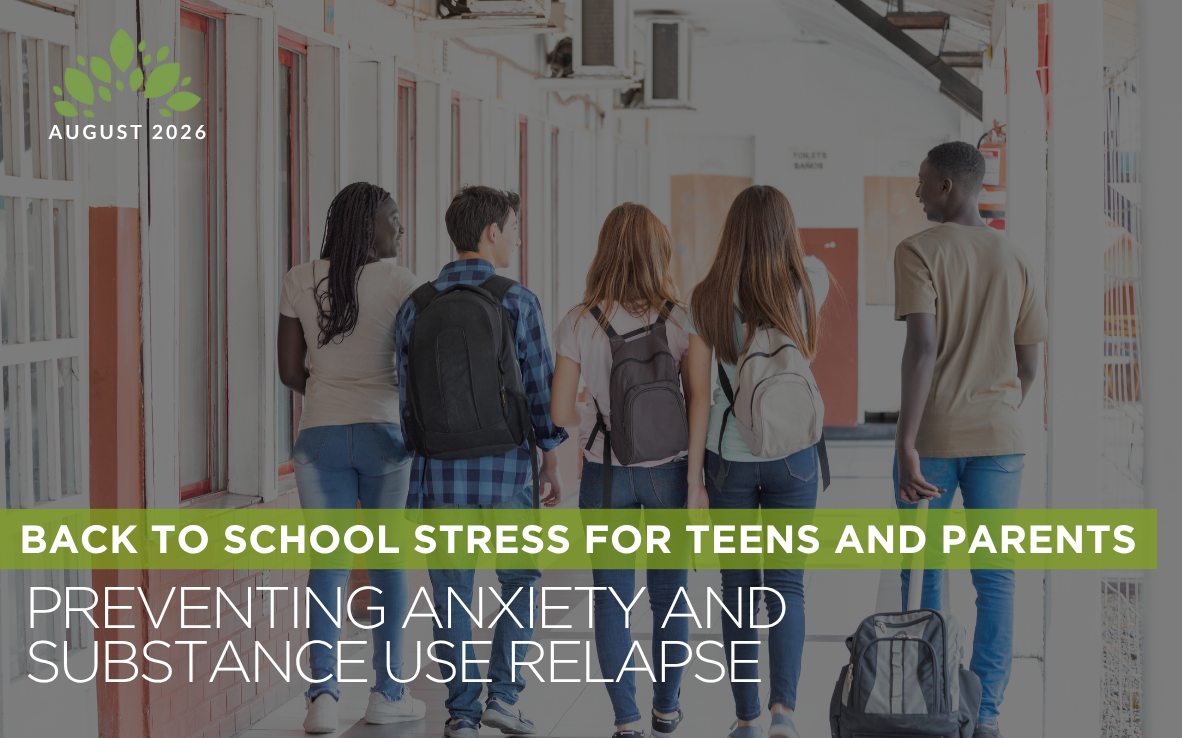
Transition periods often come with uncertainty. Teens may worry about academic performance, peer relationships, or fitting in. Parents might feel pressure to ensure their child succeeds while keeping a close eye on recovery or behavioral health. Stress is a natural response, but when it becomes overwhelming, it can affect both mental and physical health. For families managing substance use recovery, even a minor setback can feel significant. Preparing early and acknowledging the potential challenges helps both teens and parents feel more grounded. Ask yourself: What parts of the school year tend to create tension for your teen? For you as a parent, which situations make you feel anxious? Identifying stress points allows you to address them proactively rather than reactively.
Signs of Anxiety or Relapse in Teens
Teens may not always express when they are struggling. Behavioral changes can provide early warning signs of anxiety or potential relapse, such as:
- Increased irritability or mood swings
- Withdrawing from friends or family
- Difficulty concentrating on homework
- Changes in sleep or appetite
- Expressing feelings of hopelessness or excessive worry
- Returning to old coping mechanisms, including substance use
Parents noticing these patterns should approach the situation with empathy, not judgment. Early intervention and supportive guidance can prevent escalation and help teens feel understood rather than punished. Consider: How might you notice subtle changes in your teen’s behavior before stress becomes overwhelming? Paying attention to small shifts can make a significant difference.
Supporting Teens Without Enabling
There is a delicate balance between helping your teen and doing things for them that prevent them from learning coping skills. Encouraging independence while remaining supportive strengthens both recovery and resilience. Set clear expectations. Communicate school responsibilities, recovery goals, and behavioral standards in a calm, consistent way. Encourage problem solving. Instead of providing all the answers, ask guiding questions like: “What strategy might help you manage homework stress today?” Celebrate successes, big or small. Recognition of effort reinforces positive behavior and builds self-esteem. Model healthy coping strategies. Teens learn from their parents' habits. Demonstrating mindfulness, time management, and stress-relief techniques encourages them to adopt similar approaches. Reflect on this: Are your actions helping your teen face challenges, or are they unintentionally taking away opportunities for growth? Small shifts in approach can have lasting effects.
Self Care Strategies for Parents
Parenting a teen, especially one in recovery, can be demanding. Maintaining your own mental and behavioral health is essential to being an effective support system. Establish routines. Consistent schedules help you manage stress and create stability for your teen. Set boundaries. Knowing your limits and taking time for yourself prevents burnout. Practice mindfulness or relaxation techniques. Meditation, journaling, or even brief moments of quiet can help reset your mind. Seek support from others. Parent support groups, therapists, or recovery networks provide guidance and reduce feelings of isolation. Have you noticed that when you take care of your own mental health, your patience and empathy increase naturally? Prioritizing yourself is not selfish, rather, it’s part of supporting your teen effectively.
Healthy Communication and Boundaries
Open, honest communication is key to reducing stress and preventing relapse. Teens need to feel heard, not judged. Parents need to establish safe limits that reinforce recovery goals. Active listening. Give full attention, reflect back what your teen says, and avoid immediate criticism. Use “I” statements. This approach focuses on your feelings rather than blaming: “I feel worried when I see you skipping homework” rather than “You never do your work.” Establish clear boundaries. Rules around substance-free environments, curfews, and school attendance should be consistent yet flexible enough to allow growth. Encourage problem-solving together. When issues arise, involve your teen in finding solutions rather than dictating actions. Ask yourself: How can conversations with your teen shift from criticism to connection? Strengthening dialogue improves trust and reduces anxiety for both parent and teen.
Resources and Support in California
Families in Bakersfield, Fresno, Santa Clarita, Simi Valley, San Luis Obispo, and Victorville can access programs that provide guidance and support for teens and parents managing mental health, behavioral health, or substance use challenges. Services may include:
- Intensive outpatient programs for adolescents
- Family counseling sessions
- Mindfulness and stress management workshops
- Relapse prevention education
- Individual therapy for teens and parents
Aspire Counseling Services provides a supportive environment for families navigating the back to school transition, ensuring teens have tools to manage stress while parents receive guidance on maintaining balance and fostering resilience.